Note: Yes! we are Amazon affliliates. When you shop though these links, it truley helps support our small family farm (at no cost to you! Thank you so much for helping us keep Farm School growing and thriving!
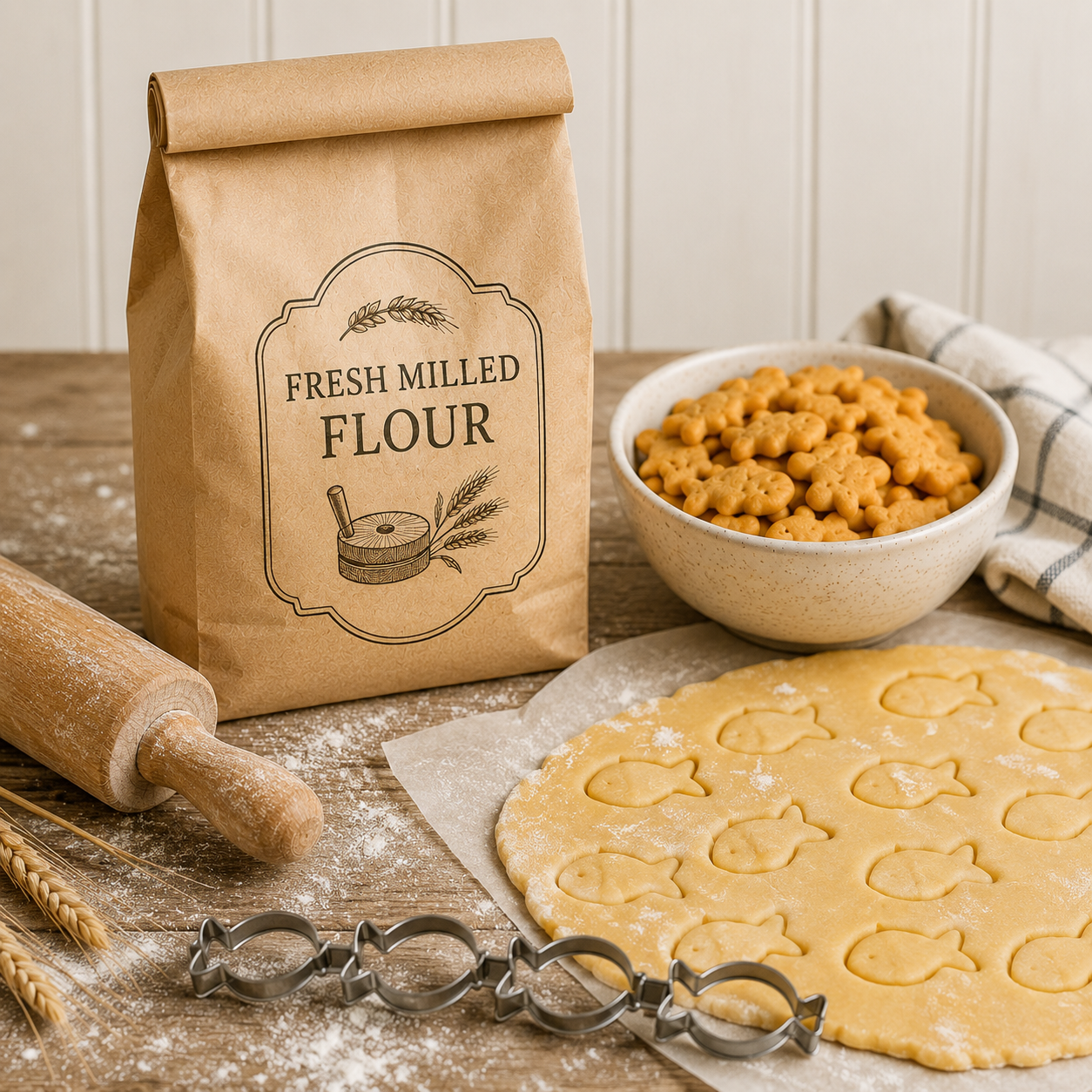
Fish Crackers
The best learning doesn't always happen at a desk.
Sometimes it happens with flour on little hands, conversations around the kitchen counter, and the excitement of pulling homemade crackers from the oven. This hands-on homeschool activity combines baking with kids, kitchen science, history, agriculture, and practical life skills in one meaningful lesson. Whether you're using fresh-milled flour or store-bought flour, your family will learn where flour comes from, why crackers become crispy, and how simple ingredients transform into a delicious homemade snack. It's more than a fish cracker recipe—it's a memorable learning experience you'll enjoy together.
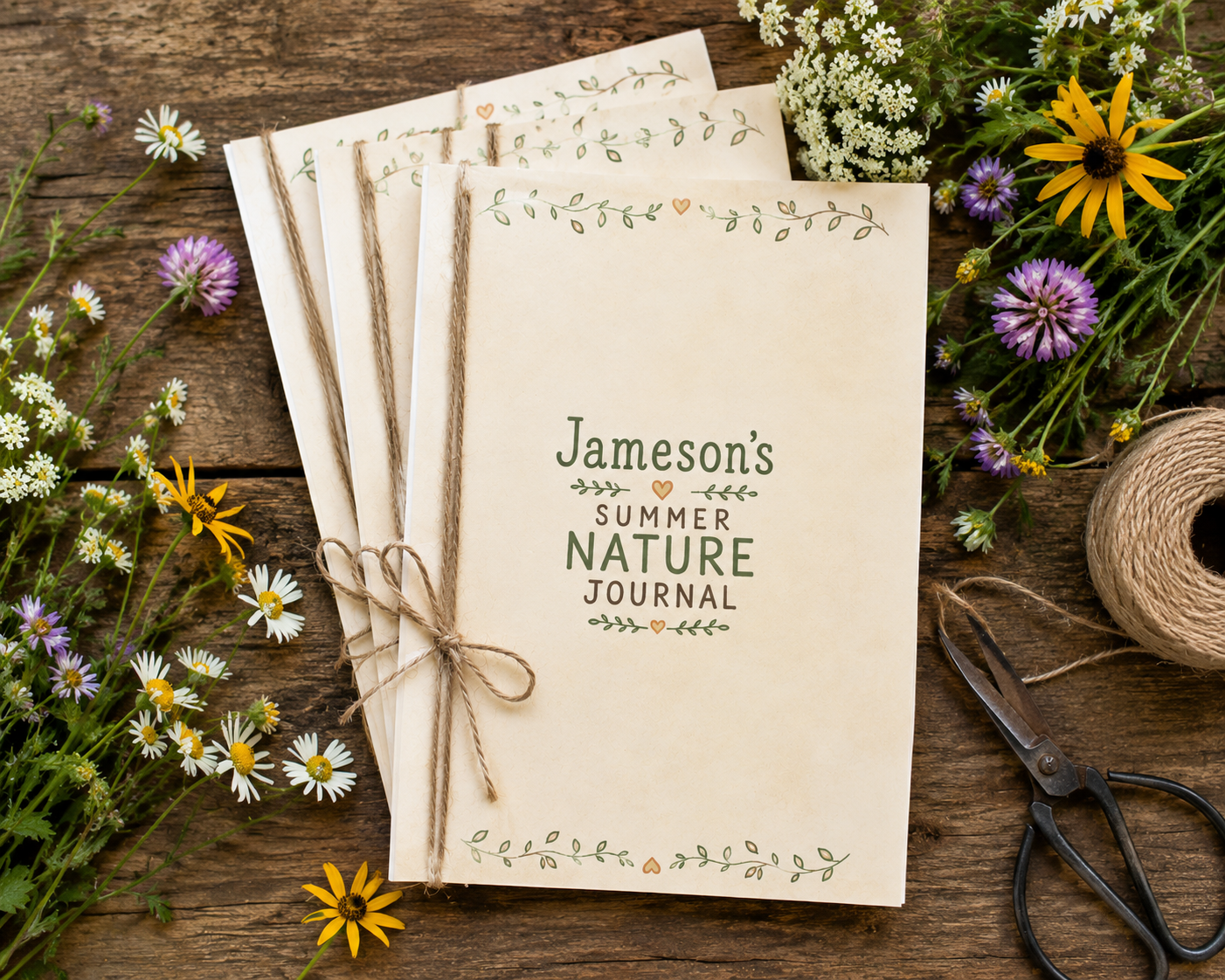
Nature Journal
A supplement to our printable take home kit; Summer nature journals. Our goal was to enourage us all to slow down, look closely, and discover the wonders hiding in plain sight. This nature journal turns everyday walks into adventures, helping kids build observation skills, creativity, and curiosity while creating a keepsake filled with their own discoveries. Whether they're sketching a flower, tracking a bug, or recording a question about the world around them, every page becomes part of their summer story. 🌿📖✨
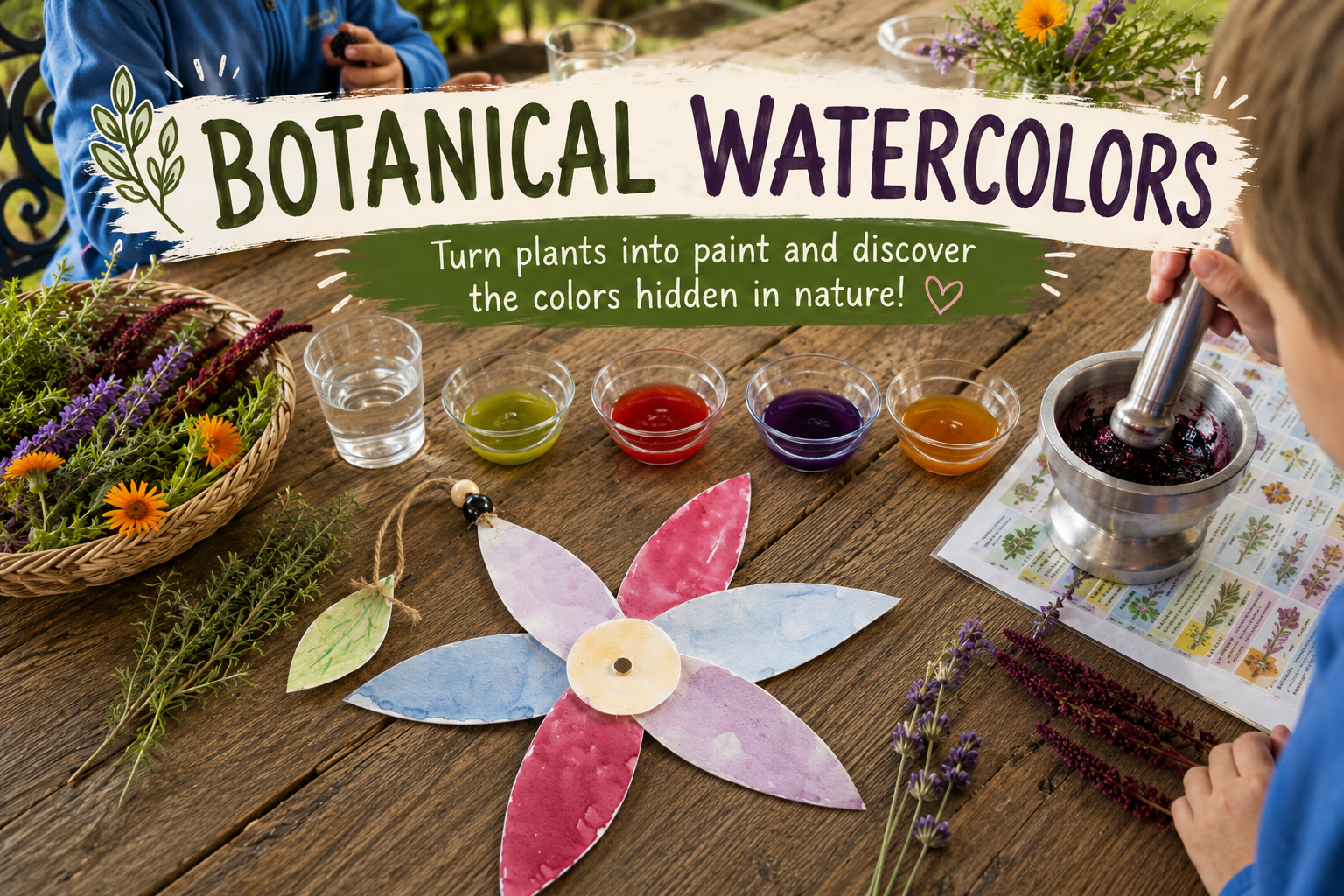
Botanical Watercolors
Turn plants into paint and discover the colors hidden in nature! In this hands-on activity, kids will transform flowers, berries, leaves, and kitchen scraps into beautiful botanical watercolors while exploring art, science, and a little bit of history. Learn how people made paint long before art stores existed, experiment with natural pigments, create your own nature brushes, mix colors, and even test color-changing plants. It’s a simple, creative project that encourages curiosity, experimentation, and a closer look at the natural world right outside your door.
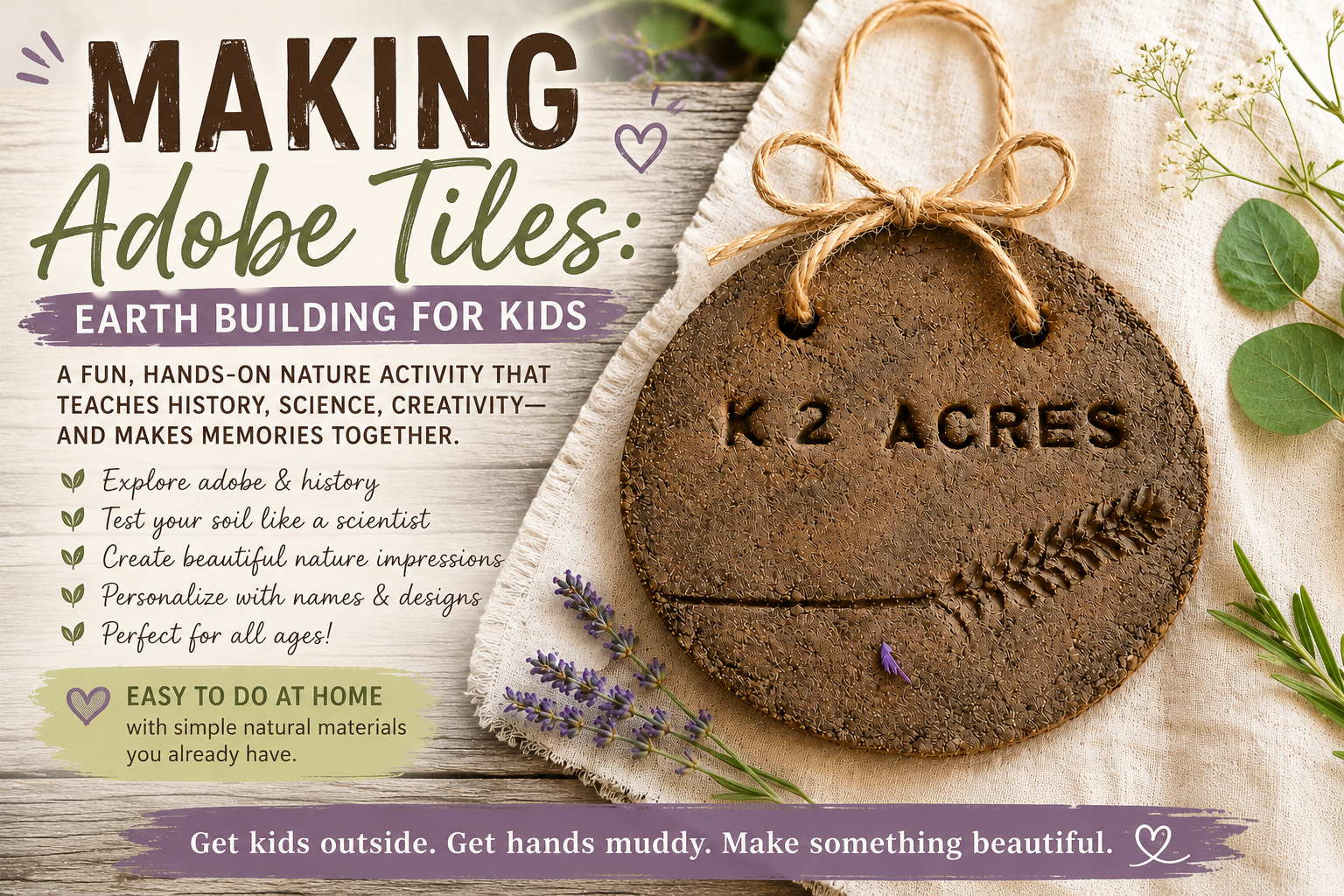
Making Adobe Tile
Turn dirt into something beautiful while exploring one of the oldest building methods in history. In this hands-on project, kids will test soil, discover how adobe has been used for thousands of years, create botanical impressions, and personalize their own hanging nature tile with names and natural treasures. Part science experiment, part history lesson, and part keepsake—this is one of those activities that creates muddy hands and lasting memories.

Lavender Frappe
Blend up a little kitchen science at home with this creamy lavender frappe recipe! Kids can explore culinary lavender, discover why some flowers are edible, learn how herbs flavor food, and experiment with natural colors like butterfly pea flower while creating their own farm-fresh drink. Packed with fun facts, pollinator science, garden learning, and hands-on creativity, this is much more than just a recipe.

Homemade Ranch:
Discover how a simple batch of homemade ranch can turn into a hands-on lesson in science, gardening, history, and real food. In this farm-school-inspired activity, kids explore emulsifiers, fermentation, fresh vs dried herbs, food preservation, and even ancient spice trade history while making creamy ranch dressing from scratch using simple ingredients. Plus, learn how to grow your own “ranch garden” in Southern California and turn everyday cooking into meaningful learning at home.
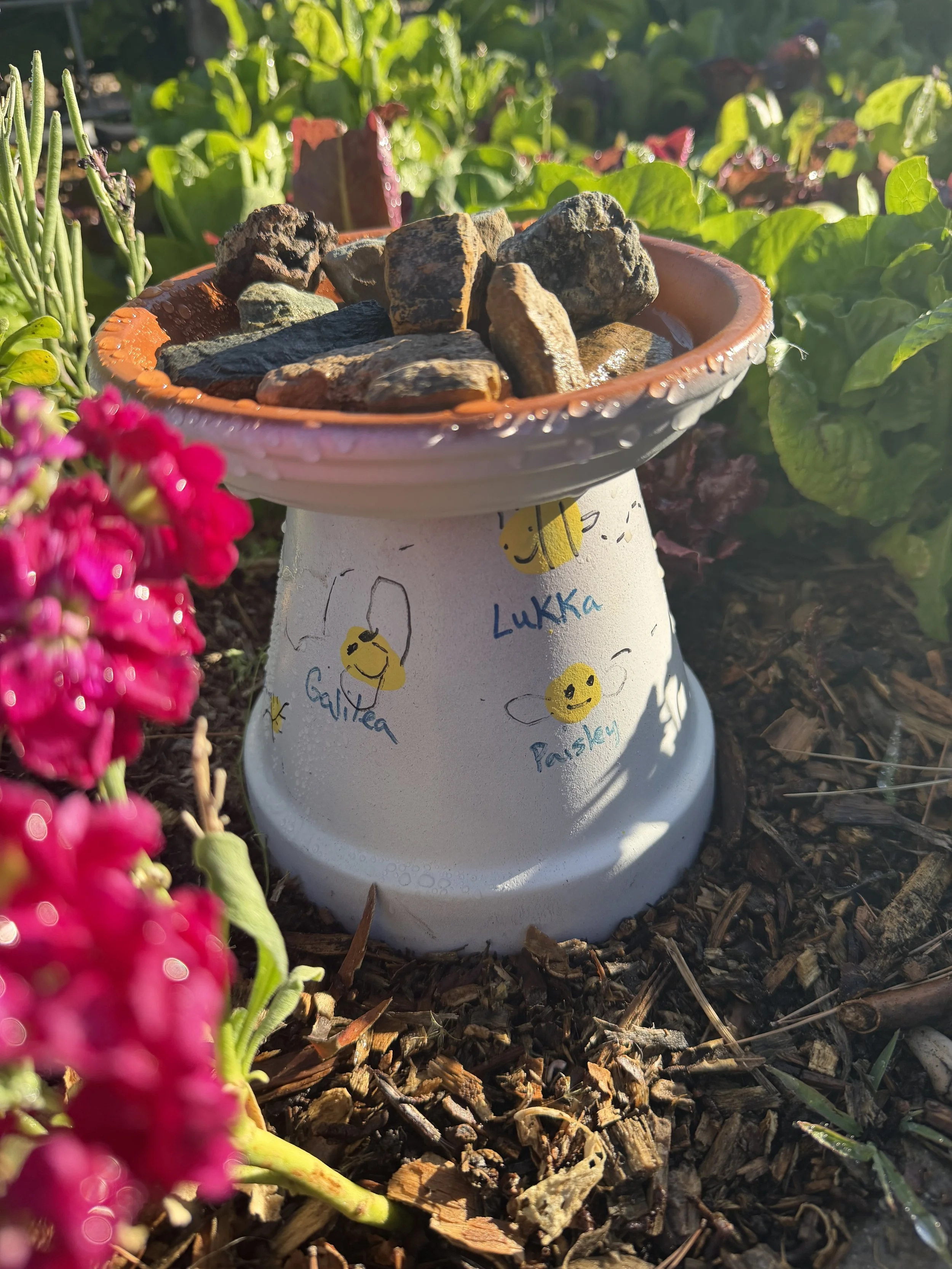
Pollinator Project
Learn how to help bees at home with a simple DIY bee water station, plus a hands-on pollination activity for kids and an easy homemade honey butter recipe that connects it all together.
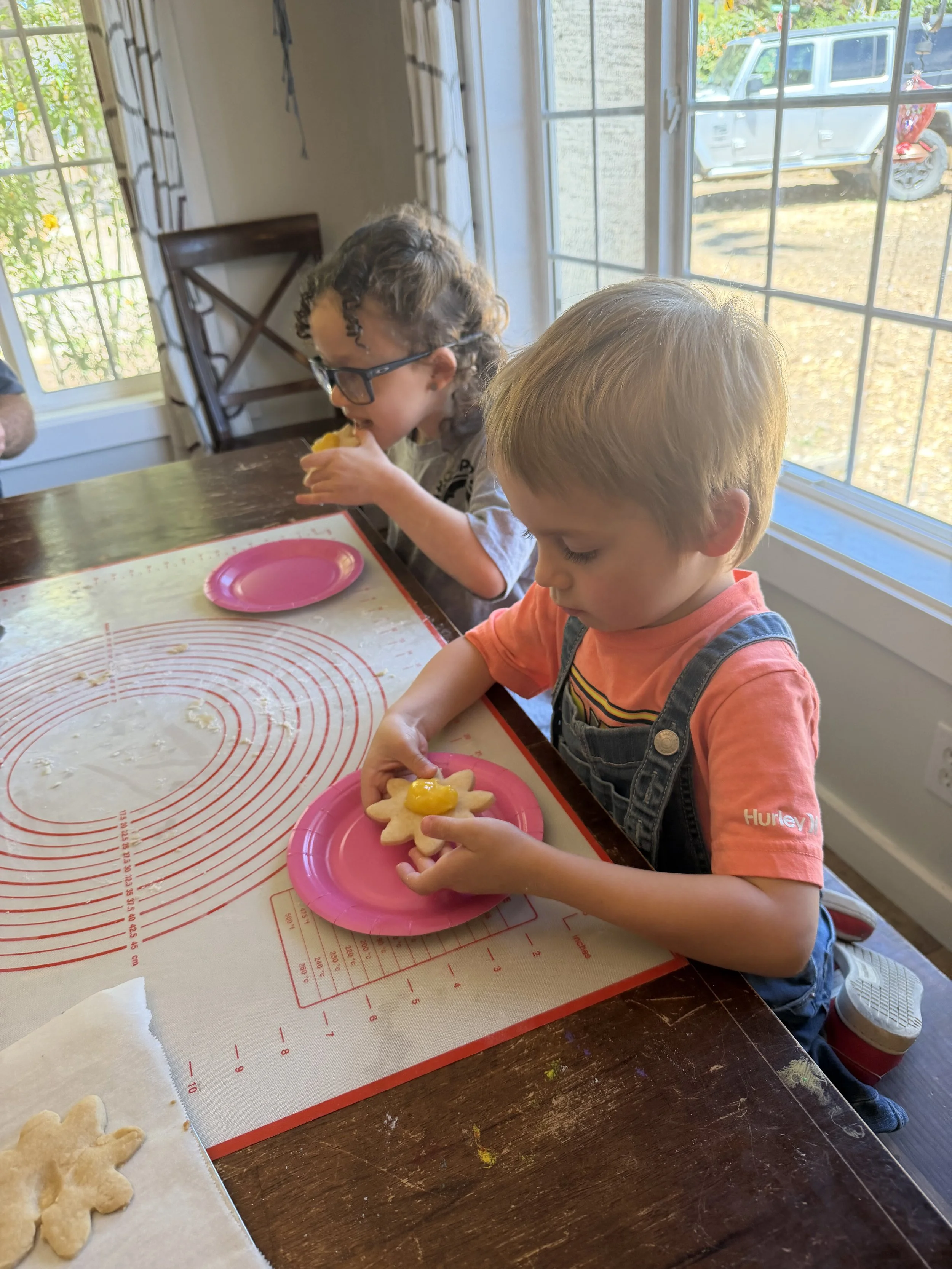
Lemon Curd
This hands-on homeschool lesson turns simple ingredients into something magical. As kids cook lemon curd from scratch, they explore kitchen science, learn real-life skills, and watch transformation happen right in front of them. This activity is perfect for homeschool families, farm-based learning, and anyone looking for simple kitchen science lessons for kids.

Petals & Pulp
Looking for a meaningful, hands-on activity that checks multiple boxes? This simple paper-making project weaves together science, history, and art in a way that actually sticks—because kids are doing it, not just reading about it.
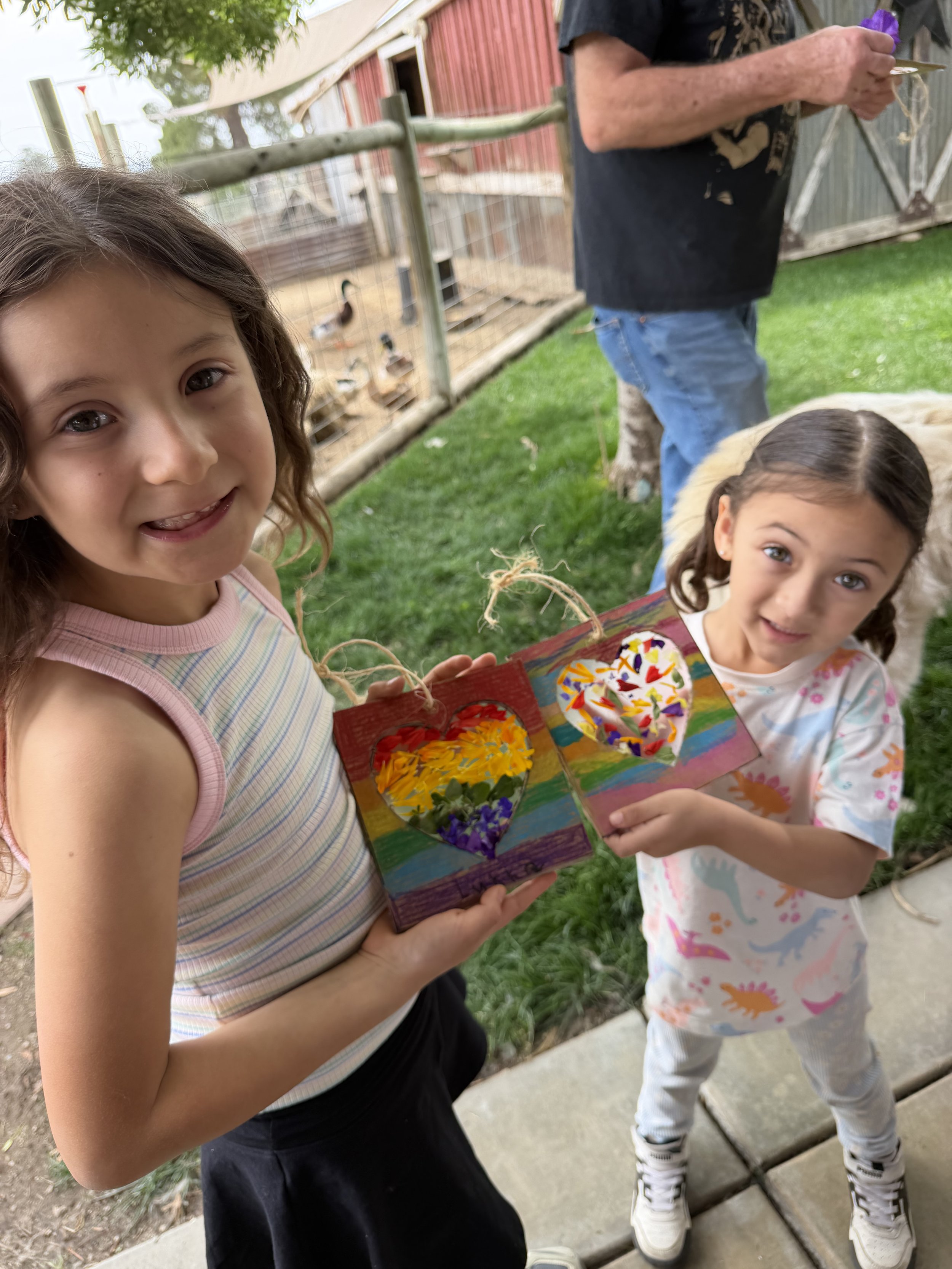
A Farm Rainbow
Rainbows aren’t just something we see after the rain, they’re something we can grow, explore, and understand. This hands-on farm school activity blends rainbow science for kids with nature-based learning, as children discover how light creates color, explore the garden, and create their own flower suncatcher. A simple, meaningful homeschool science lesson rooted in the outdoors.
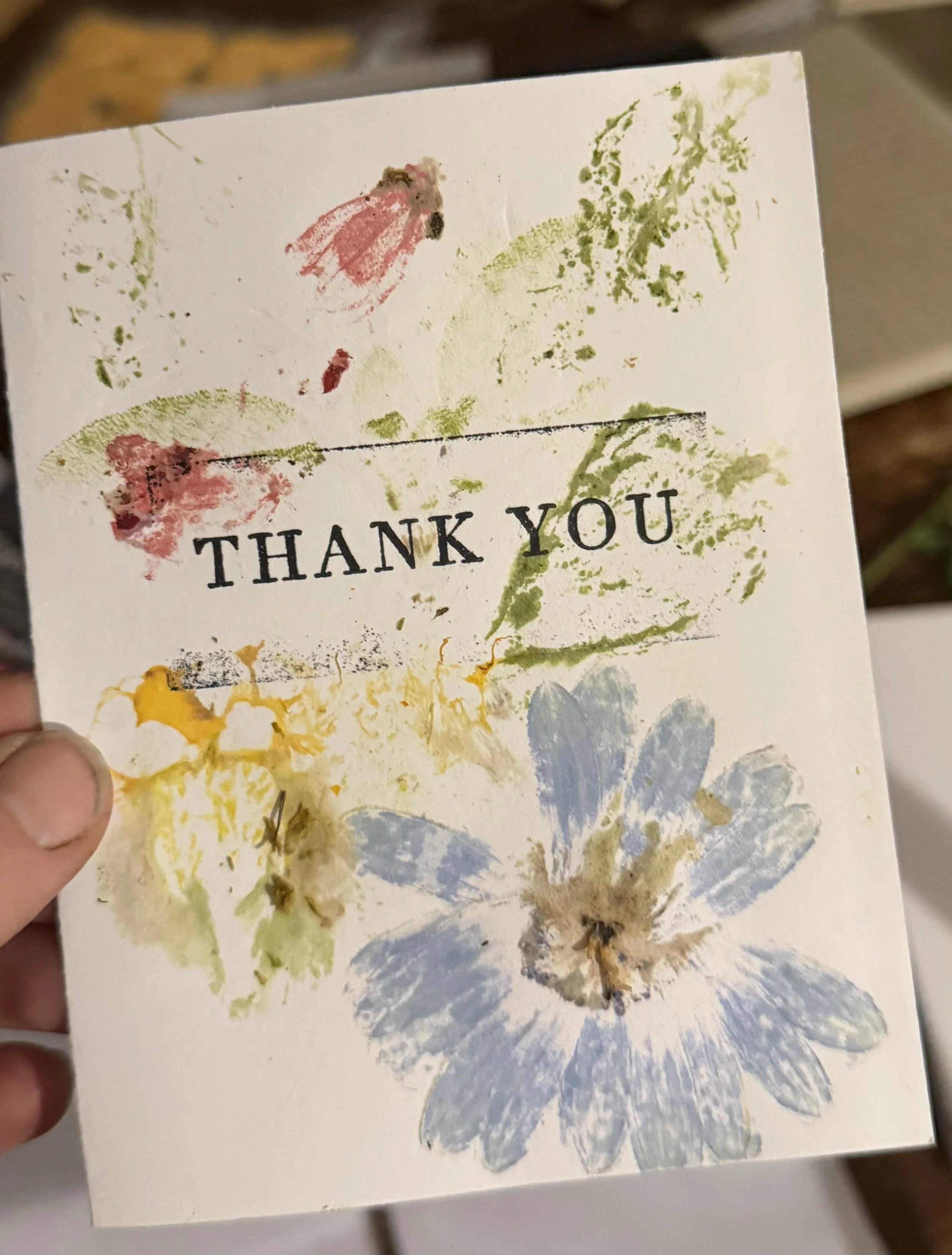
Printing with Nature
Discover how flowers can become art in this simple, hands-on nature craft for kids. Flower pounding blends creativity, science, and nature through engaging garden activities for kids, as they explore plant pigments and create beautiful botanical art using real flowers from the garden in a meaningful homeschool nature lesson.
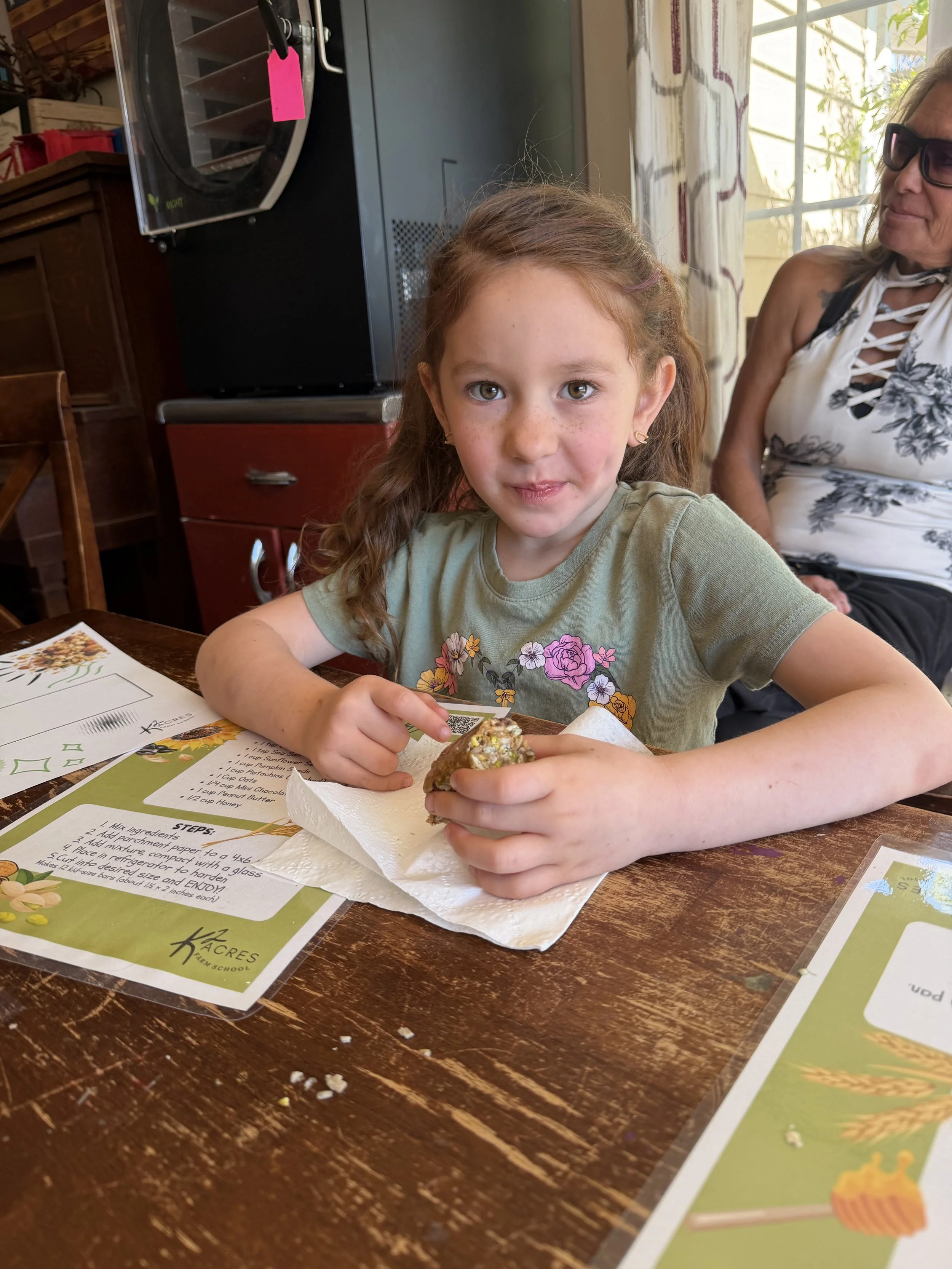
Simple Snacks
This hands-on farm activity combines cooking, plant science, and creativity as kids explore seeds, make homemade granola bars, and learn how food grows.
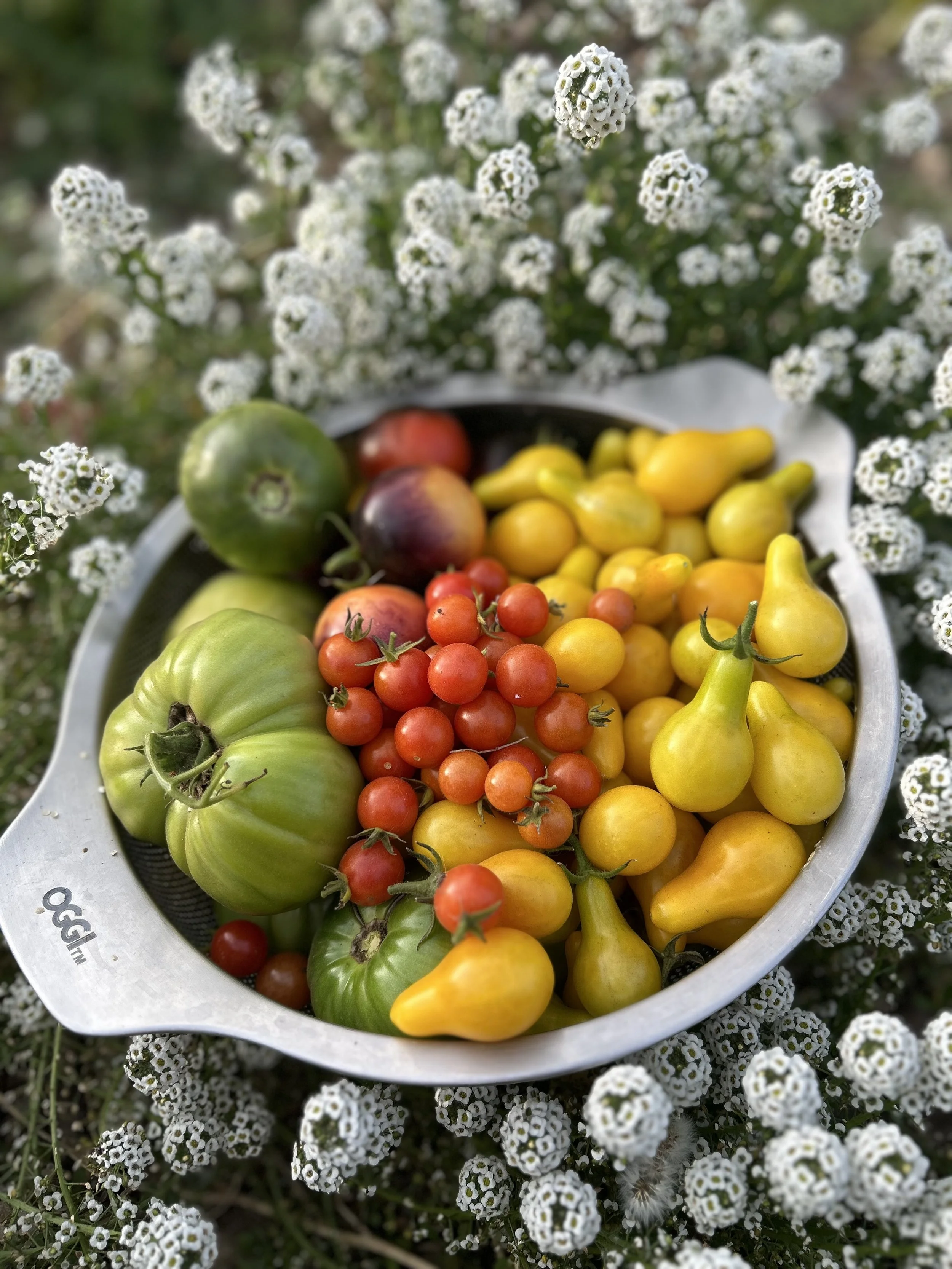
From Seed to Supper
Growing tomatoes is more than gardening, it’s a living science lesson. From saving seeds to harvesting ripe fruit, this guide shows families how to grow tomatoes while learning about soil, sunlight, and the incredible life cycle of plants.
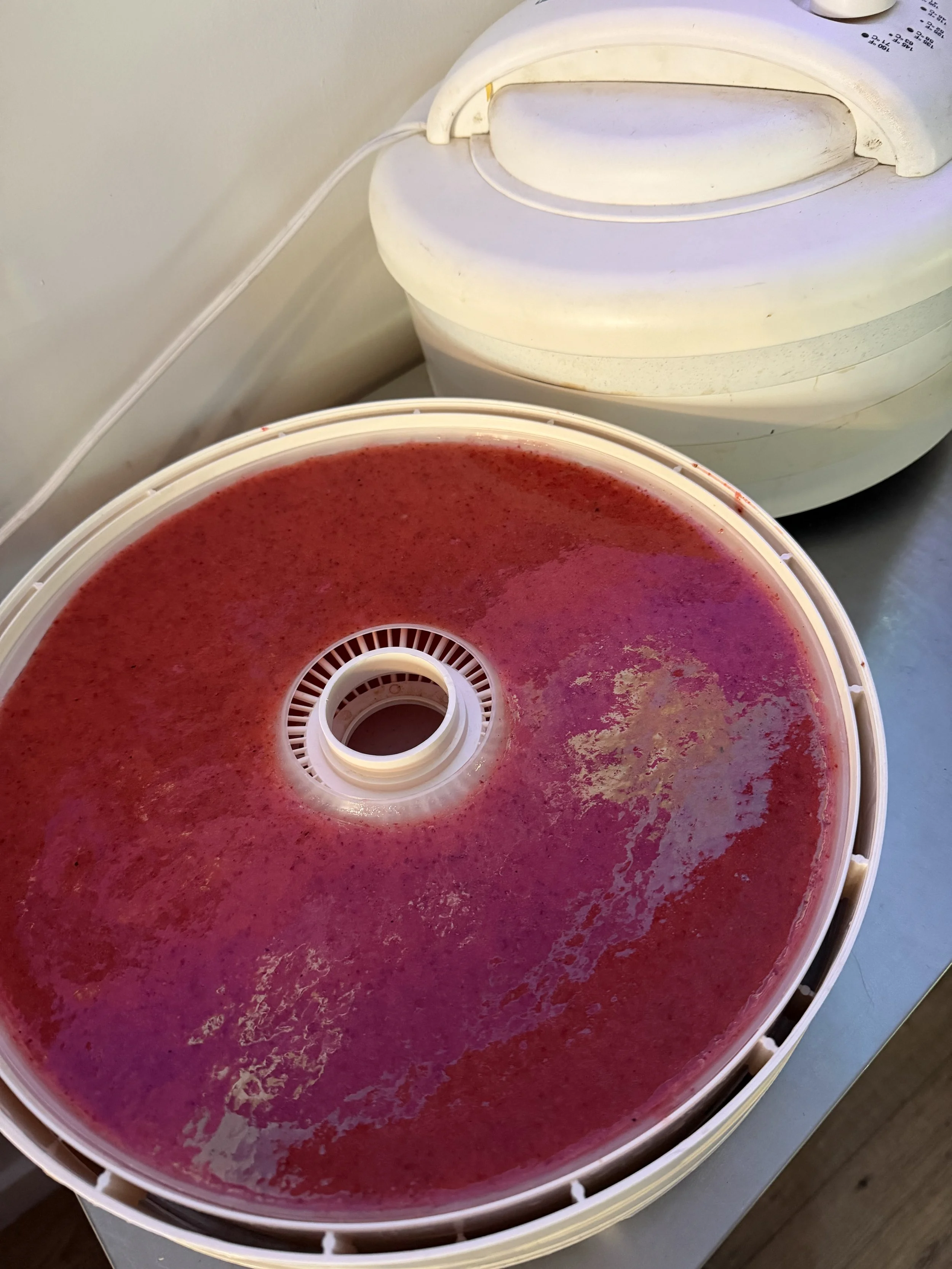
Rollin’ the Love
What if a snack could teach patience, science, and real food skills all at once?
In our kitchen, four simple ingredients turn into something chewy, sweet, and completely homemade. No dyes. No concentrates. Just fruit, carefully blended, spread, and transformed through time.
This isn’t just a recipe — it’s a lesson in preservation, observation, and watching food change with your own hands.
Come see how we make it.
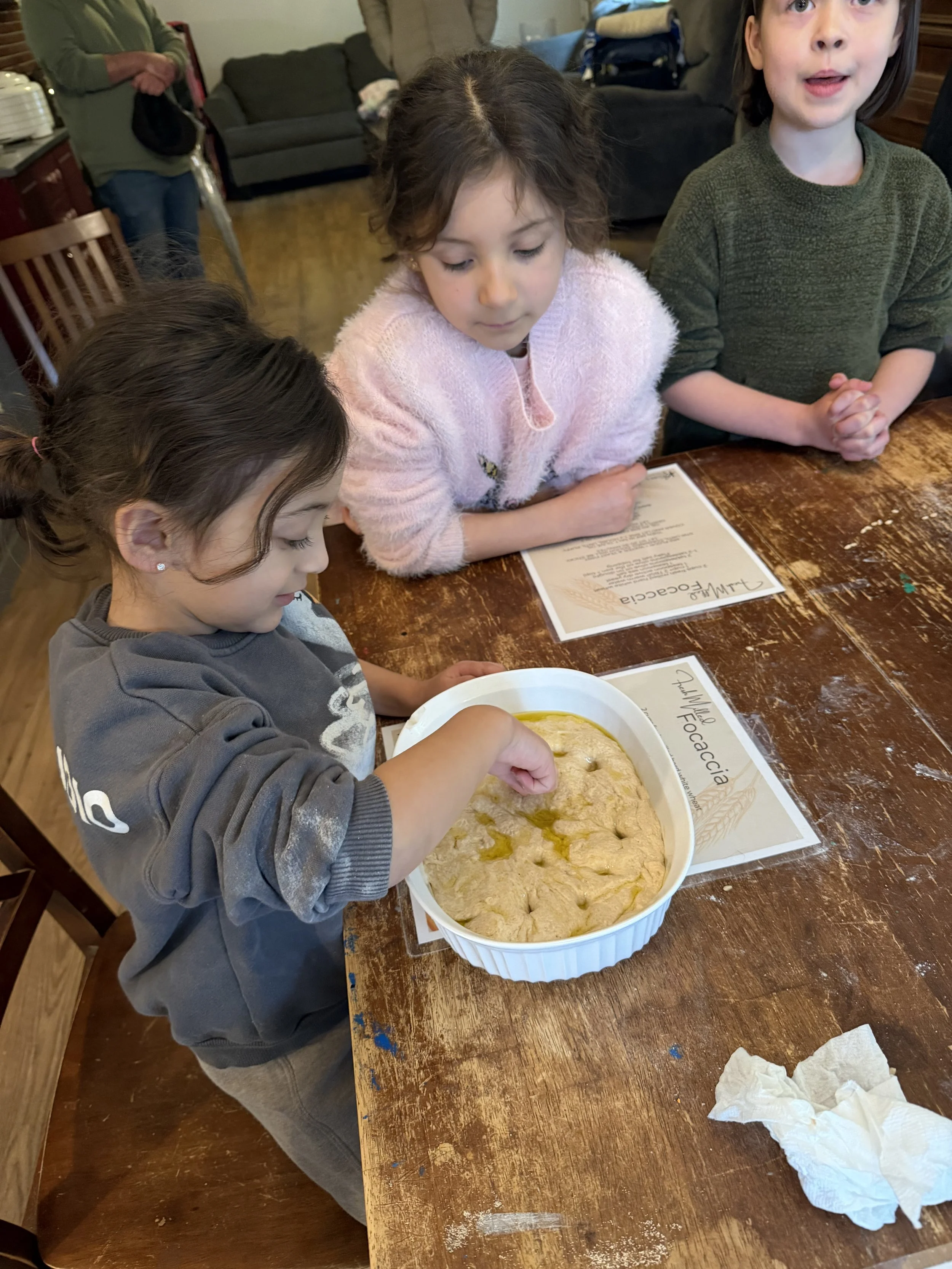
From Grain to Golden
What happens when kids mill their own flour, press their fingers into dough, and bake bread the way families have for centuries? A golden, olive-oil-kissed focaccia — and a lesson they’ll never forget. In this post, I’m sharing the history behind focaccia, the real differences between fresh-milled and all-purpose flour, simple tips to guarantee success at home, and two easy recipe options so you can choose what works for your kitchen. Plus, fun ways to turn bread into edible art your kids will love.
If you’ve ever wanted to bake something meaningful, doable, and memory-making — this is it.
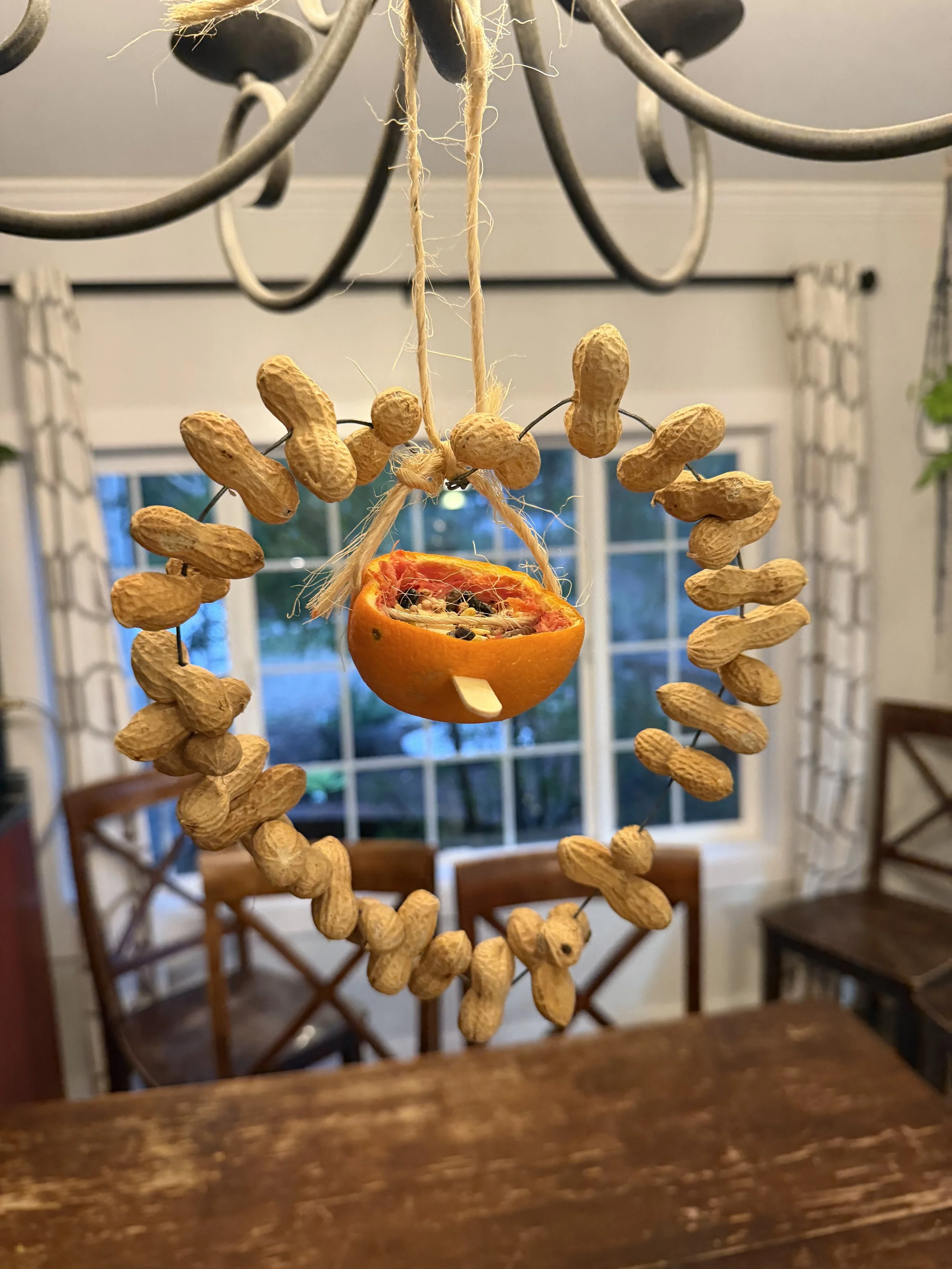
Heart for the Birds
What if a simple orange, a handful of peanuts, and a little birdseed could turn into a science lesson, a winter survival story, and a quiet moment of wonder?
This Valentine’s project isn’t just a craft — it’s an invitation to slow down, hang something meaningful in a tree, and start noticing the birds already living around you.
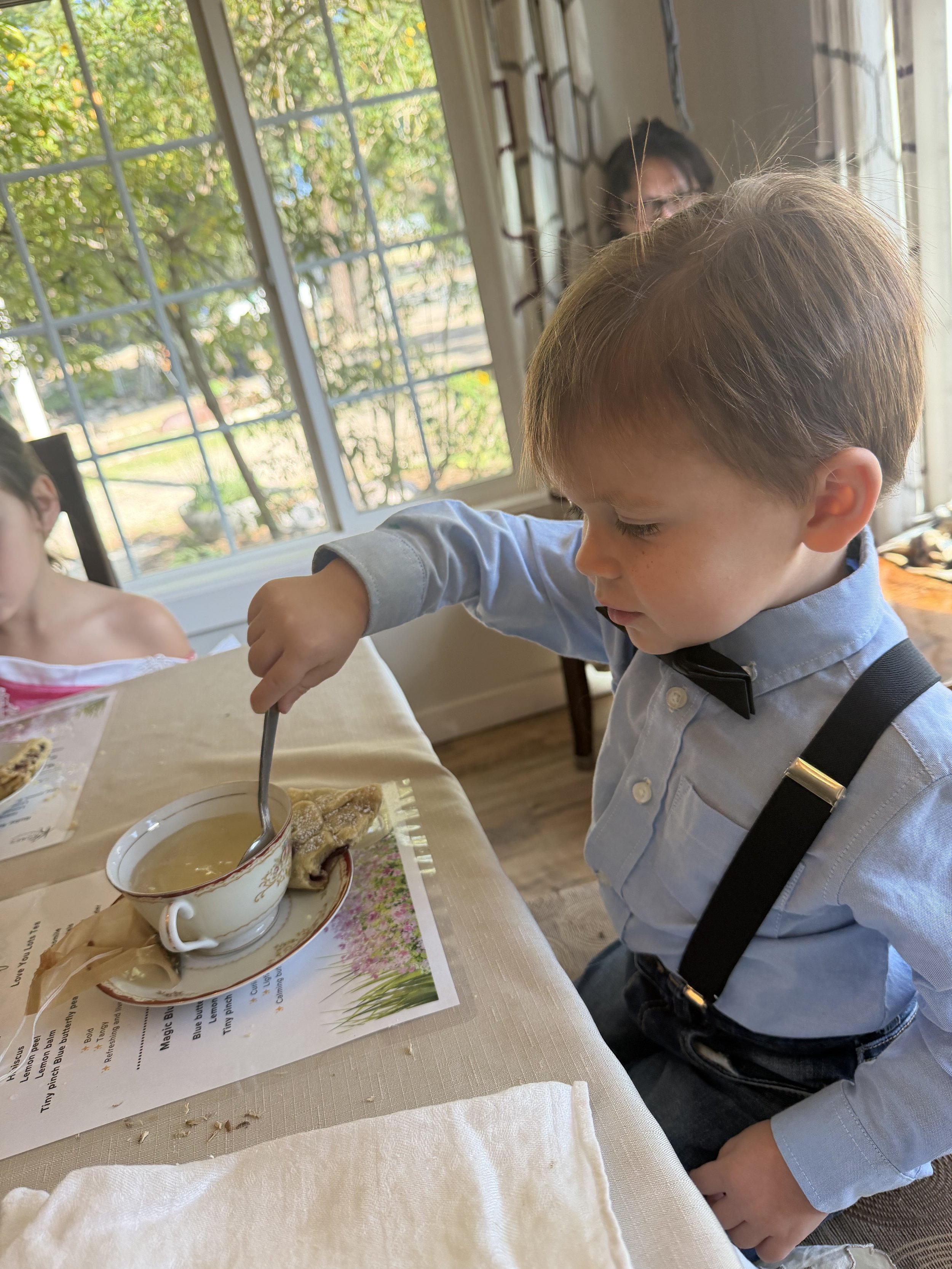
Steeped in Sweetness
Tea is more than a drink — it’s plant science, history, hospitality, and connection all in one cup. In this post, I share how to host a kid-friendly herbal tea party, introduce children to calming garden herbs, try a color-changing tea experiment, and even start a small tea garden of your own.
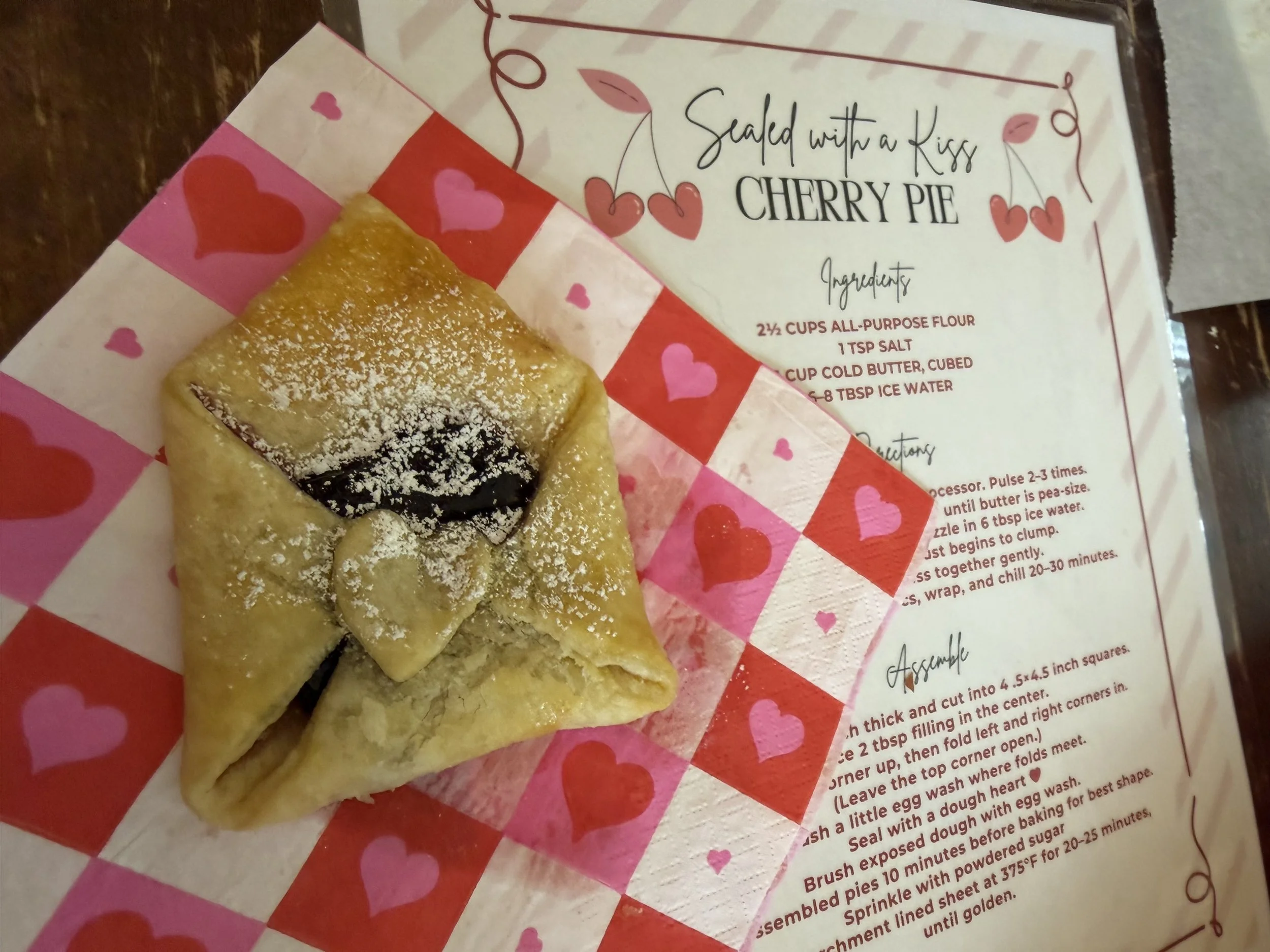
Hand Pies!
There’s something special about teaching children to make food that people have been carrying into fields, mines, and kitchens for hundreds of years.
In this simple hand pie, we’re not just folding dough — we’re practicing patience, learning kitchen science, building measuring confidence, and connecting to a tradition that made meals portable long before lunch boxes existed.
These little cherry “love letters” are sweet and beautiful, yes — but they’re also practical, historical, and skill-building.
When your child pulls a golden pastry from the oven, they’re holding more than dessert. They’re holding confidence.
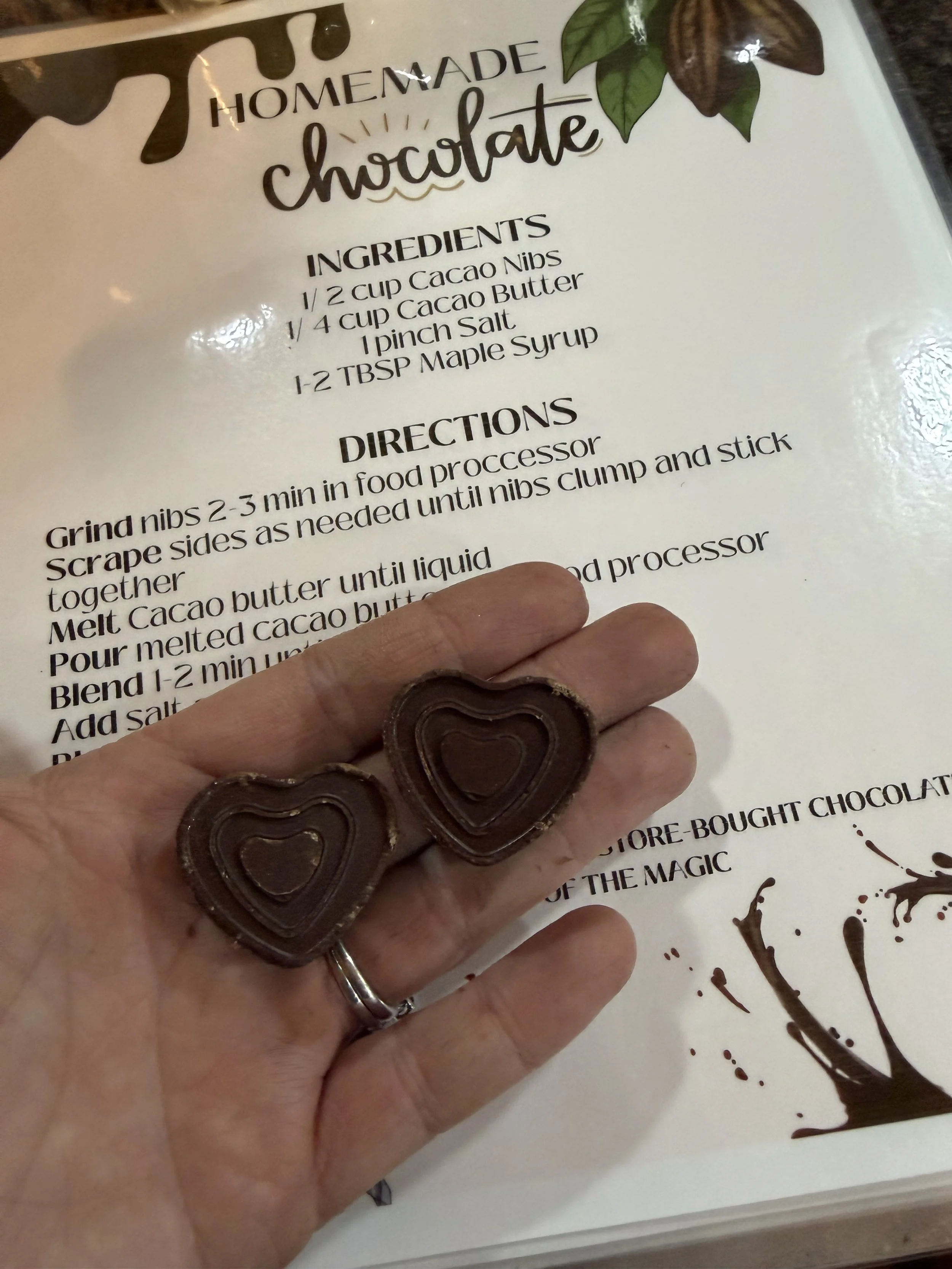
From Bean to Bar
This lesson shows families how to make real chocolate from scratch using simple ingredients and everyday kitchen tools. More than a recipe, it’s a rich, hands-on homeschool experience that weaves together geography, history, science, and life skills in a way that feels natural and unhurried.
Kids learn where chocolate actually comes from, why cacao grows near the equator, and how food transforms through heat, fat, and time. Along the way, they build confidence by making something tangible with their own hands — and even experience the joy of gifting what they create.
Perfect for homeschool moms who value meaningful learning, real food, and skills that stick, this chocolate lesson invites curiosity, patience, and pride — all wrapped up in a sweet (but not too sweet) experience.